

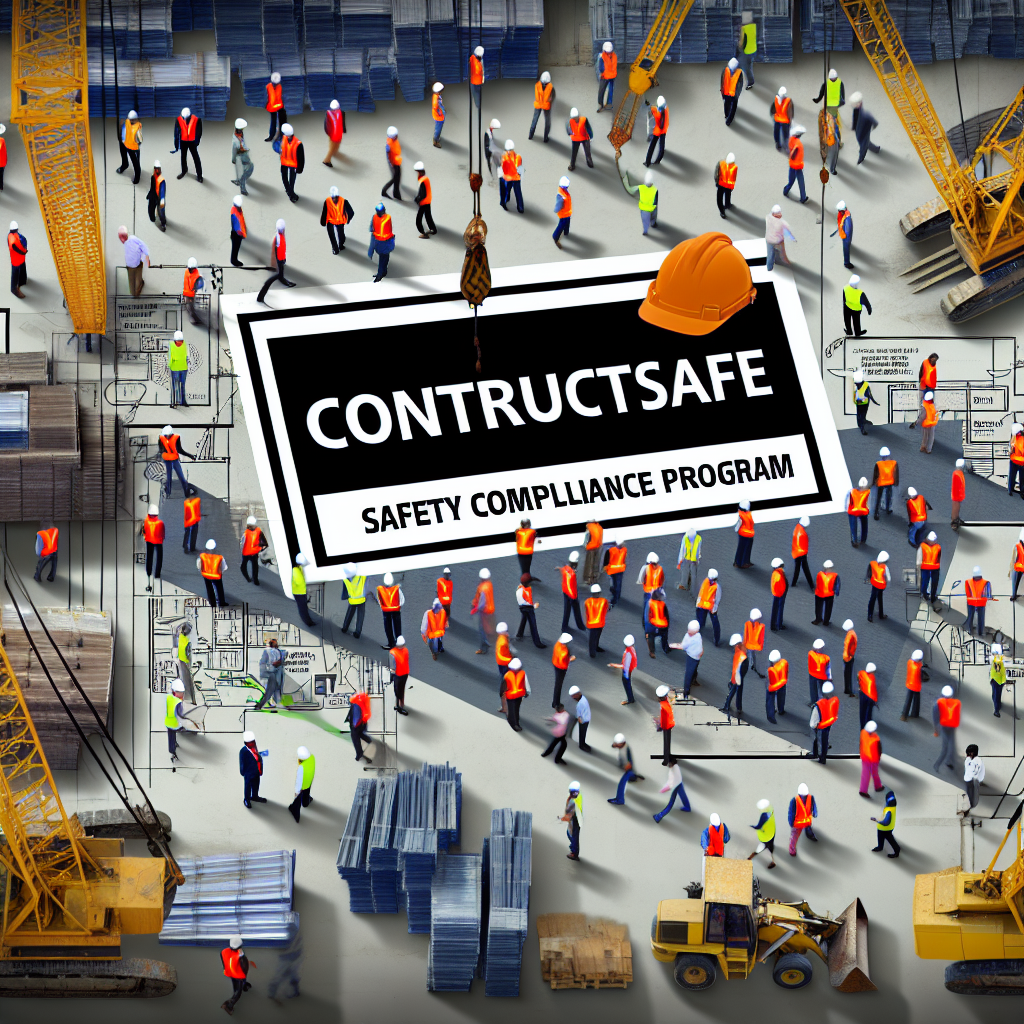
HIAB Safety Compliance Programs: Keeping Your Fleet on the Right Track
HIAB cranes are versatile, essential pieces of equipment used across various sectors, from construction to logistics. However, as any seasoned operator will tell you, using these cranes safely and efficiently means more than just following a manual. It requires a dedicated HIAB safety compliance program designed to keep operations smooth and calamity-free.
Why HIAB Safety Compliance Programs Matter
If you’ve ever manoeuvred a HIAB crane, you would know that the job entails much more than just lifting and lowering loads. Each operation calls for attention to detail, careful planning, and, above all, adherence to specific safety protocols. Compliance programs are not just a set of rules; they are a lifeline for ensuring that every HIAB operation is completed without a hitch.
Understanding the Risks
Picture yourself on a bustling construction site, a hive of activity with workers, machinery, and materials moving in synchrony. Amidst this controlled chaos, one misstep can lead to serious safety violations or accidents. HIAB safety compliance programs are developed to mitigate these risks. By adopting them, you ensure that each procedure follows strict guidelines that protect both the operators and the site.
Components of a Robust HIAB Safety Compliance Program
Think of a HIAB safety compliance program as a well-designed safety net, woven from various components that together create a secure operational environment. Key elements include:
- Regular Training and Certification: Anyone operating a HIAB crane should undergo extensive training. Such training ensures that operators are capable of handling equipment safely and efficiently under varying conditions.
- Comprehensive Equipment Inspections: Regular checks ensure that the HIAB cranes are in top condition, highlighting any potential issues before they become critical.
- Documented Safety Procedures: These are guidelines outlining specific protocols to deal with diverse circumstances, ensuring every operation abides by safety standards.
- Emergency Response Plans: While it’s essential to plan for safety, it’s equally crucial to have a response plan ready in case of accidents.
The Role of Leadership
As a construction manager or business owner, fostering a culture where safety is a top priority starts with you. Implementing HIAB safety compliance programs effectively requires robust leadership and consistent communication. When the management team leads by example, it sets a trusting environment where safety does not feel like a chore but a shared responsibility.
Sharing the Load: Personal Stories
A colleague of mine, Jack, once narrated an eye-opening experience from his early days in the industry. During a seemingly ordinary project, a lack of proper training led to a risky situation with a HIAB crane lifting more than it was rated for. Fortunately, no one was hurt, but it served as a wake-up call for Jack’s team. From that day, every member underwent detailed safety training, and these sessions soon became a staple in their work culture. Jack’s story is a clear reminder of the importance of continuous education and preparation.
Engage with Experts
If you’re looking to outsource or hire a HIAB crane for a specific project, ensure that the service comes with qualified operators adhering to robust safety compliance programs. Partnering with experts gives you peace of mind that every operation will meet the highest safety standards.
Your Next Step
Whether you’re new to the world of HIAB operations or an experienced professional, embracing a comprehensive HIAB safety compliance program can make all the difference for your business. For those of you in Scotland, the folks at HIAB Scotland are always ready to provide more insights and resources to enhance your safety protocols.
Key Takeaway
HIAB safety compliance programs are integral to maintaining not only the efficiency of your operations but also the safety and well-being of everyone involved. Establishing good practices, investing in ample training, and fostering a culture of safety will benefit your team and your business in the long run. By working together, from management down to the operators, you can create a safer working environment together.

