

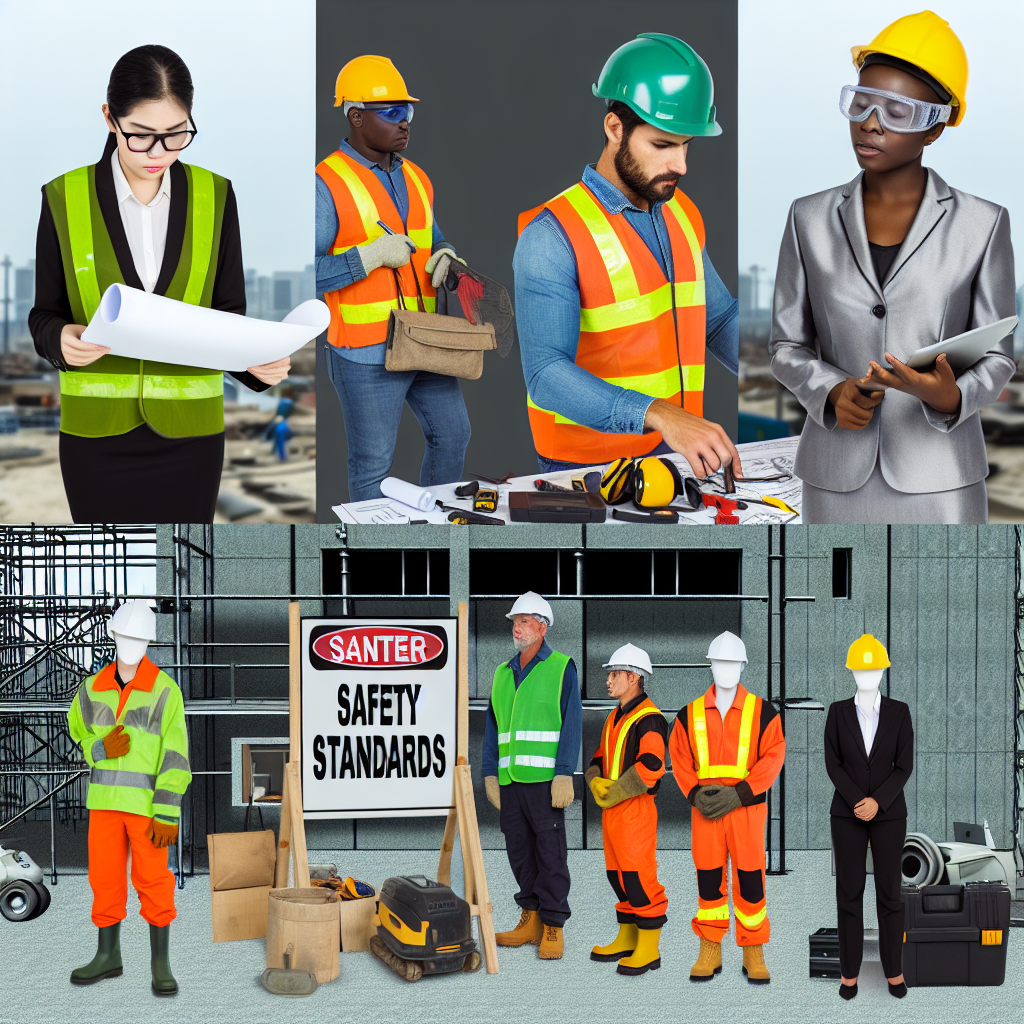
HIAB Safety Standards Compliance: Ensuring Safe Operations
When it comes to using HIAB vehicles, safety is not just about ticking a box. It’s about making sure that everyone involved in the handling and operation of these heavy-duty lifting machines is safe. Keeping compliance with HIAB safety standards is essential for operators, technicians, and businesses. As someone who has been in the logistics field for a few years, I’ve come across more HIAB stories than I can count at family gatherings and through my work. It’s crucial to share what makes safety so integral in everyday operations.
Understanding HIAB Safety Standards
HIAB, the name often synonymous with loader cranes, sets the bar high when it comes to safety standards across the field. Compliance involves adhering to stringent requirements concerning the maintenance, operation, and training associated with these machines. Knowing these standards helps prevent accidents on site and protects everyone involved, from operators to pedestrians.
For instance, have you ever seen a HIAB crane lifting a giant piece of construction equipment? If you’re like me, you probably stood in awe, impressed by its capability. However, it’s not just the strength of the crane that’s keeping everyone safe. It’s the operator’s expertise and keen attention to safety standards.
Key Areas of Compliance
Training and Certification
One of the primary areas of HIAB safety standards compliance is ensuring all operators are adequately trained and certified. This means being familiar with the machine’s operation and knowing how to respond in emergency situations. Operators often undergo rigorous training sessions where they learn about load capacity, equipment checks, and safe operational practices.
The other day, my cousin, who operates a HIAB crane, mentioned how his training included scenarios like handling windy conditions, which can make lifting loads dramatically more challenging. His training didn’t just cover regulations—it prepared him for real-life situations.
Regular Maintenance Checks
Another essential aspect of compliance lies in consistent maintenance checks. Regular inspections are crucial for identifying issues that can become safety hazards later. Whether it’s checking hydraulic systems or ensuring the controls are responsive, these checks minimise malfunction risks.
Think of it like your car. Just like regular oil changes and tyre rotations keep it running smoothly, consistent checks for a HIAB crane are all about ensuring machinery is in peak condition. Last week, one of my colleagues shared a story about a neglected HIAB that had a minor hydraulic leak – something that could have been avoided with routine maintenance.
Understanding Load Capacities
Each HIAB crane comes with its own set of load capacity limits. Complying with safety standards means understanding these limits and never exceeding them. Accurately assessing the load’s weight and distribution is vital before any lift is attempted.
I recall a sunny afternoon on a construction site when the crane operator, having worked for decades in the field, meticulously ensured each load was within acceptable limits. His caution wasn’t just a nod to safety compliance; it was a testament to his commitment to everyone’s safety on the job.
Handy Tips for Ensuring Safety Compliance
- Stay Updated: Keep abreast of [HIAB Safety Training and updates](https://www.hiabscotland.com/) relevant to your specific equipment and workplace.
- Engage in Continuous Training: Skills need to be refreshed periodically through practice and updated instruction.
- Inspect and Report: Before operating any HIAB crane, conduct thorough inspections and report any faults immediately.
- Document Your Work: Maintain records for training sessions, inspection logs, and operational guidelines.
Why Compliance Matters
HIAB safety standards compliance isn’t just a rule to adhere to; it’s integral to creating a culture of safety. When compliance becomes part of everyday practice, workplaces are safer, confidence in operations improves, and businesses thrive. Plus, clients and partners appreciate a commitment to safety, fostering trust and reliability.
By understanding and applying these safety standards effectively, not only are risks reduced, but operators also gain a sense of pride in their work. After all, knowing that each lift is executed as safely as possible gives everyone a good night’s sleep.
Further Resources
For more information on HIAB safety standards compliance and regular updates, consider visiting [Health and Safety Executive](https://www.hse.gov.uk/) and keep abreast of industry changes and recommendations.

