

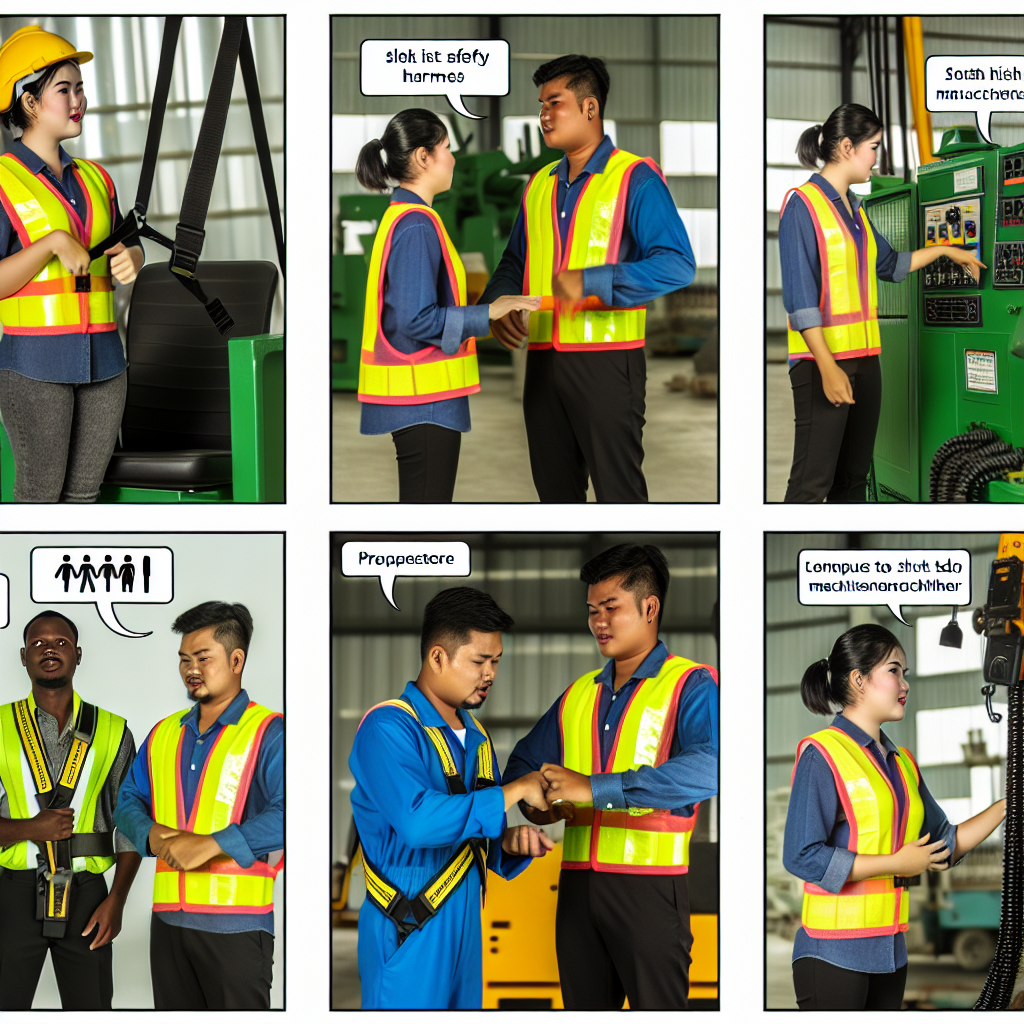
HIAB Safety Training Documentation
If you’ve ever worked on a construction site or within the transport and logistics industry, you’ll know the importance of safety. Operating any form of heavy equipment is no small job, especially when it comes to HIABs (Hydrauliska Industri AB or ‘loader cranes’). Whether you’re a seasoned pro or a new recruit, HIAB safety training documentation is something you’ll need to get familiar with. It could be the difference between a smooth day’s work and a disaster waiting to happen.
Let’s chat a bit about why HIAB safety training matters. Picture this: You’re on a worksite trying to move some heavy loads with a HIAB. You feel pretty confident and skip reading the safety guidelines. Suddenly, the load swings wildly, nearly hitting a colleague. It’s a heart-stopping moment, one that the proper HIAB training could have helped prevent. Safety documentation isn’t just paper or digital clutter – it’s crucial for mitigating risks and keeping everyone safe.
Why HIAB Safety Training Documentation is Essential
HIAB safety training documentation is your go-to resource for everything you need to know about operating a loader crane safely. It covers various aspects, like how to handle the equipment correctly, understanding load capacities, the positioning of stabilising equipment, and handling emergency situations. Imagine it as the handbook your significantly cautious uncle might insist you read if you were about to tackle a high-risk adventure.
What many new operators might not realise is that HIAB equipment can be unpredictable. Variables such as load weight, balance, and even weather conditions can affect the operation. Therefore, the documentation not only equips you with technical know-how but prepares you to make good judgments under varied conditions.
What Does HIAB Safety Training Involve?
In terms of practical training, HIAB safety training often includes a mix of classroom-based learning and hands-on practice. Think of it as learning to drive a car – you need to understand the rules before you hit the road. While the classroom sessions may dive into safety regulations and equipment specifications, the practical sessions are where you get a feel for how the equipment operates under real-world conditions.
Through these sessions, you’ll cover safety checks, managing the crane controls, and even troubleshooting common issues. For some, all this information might feel overwhelming at first. I remember feeling puzzled the first time I looked at the controls – they seemed as alien as my mate Phil’s obscure taste in music.
Keeping Documentation Up-to-date
One key element is keeping your HIAB safety training documentation up-to-date. Regulations and best practices can change, and what was once common knowledge can quickly become outdated. Regularly updating your documentation is akin to keeping your mobile phone software current – it ensures you’re equipped with the latest info and tools to operate safely.
Moreover, updated documentation can introduce new techniques or technologies. For instance, advanced safety features integrated into modern HIAB machinery might be included in recent versions of the documentation. Staying informed can enhance operational efficiency and safety, leading to fewer mistakes that could jeopardise lives or demand costly repairs.
Sharing Safety Experiences
Everyone loves a good story, and sharing experiences can be an impactful way to learn. Suppose you had a budding young colleague fascinated with heavy machinery. Sharing anecdotes from your experiences with HIAB operations – perhaps the time you had to navigate a tricky weather condition safely – helps create a mental checklist for them. It’s like passing down a family recipe, ensuring each novice gets a bit of the seasoned expert’s wisdom.
Training sessions are also a space to share these stories. It can make the learning more engaging and relatable, providing vivid scenarios that stay with trainees longer than mere bullet points on a page.
Finding a Trustworthy Training Provider
With so many training providers out there, how do you choose the best one? When looking for HIAB safety training, whether you’re seeking new skills or refreshing your knowledge, choose a company with a solid reputation and extensive experience in the field. Look for local options like HIAB Scotland, where trainers bring real-world experiences and practical know-how to the table. A good provider will deliver a well-rounded programme that covers both the theoretical and practical elements.
If you’re unsure where to start, the Health and Safety Executive’s (HSE) website offers guidance on selecting training providers and ensuring they meet necessary industry standards. By choosing the right provider, you’re investing not just in your skillset, but in your safety and that of others around you.
Looking Ahead
HIAB safety training documentation is an essential tool in ensuring not just compliance but the welfare of everyone involved in lifting operations. By engaging with and staying refreshed on your HIAB safety training, you’re setting the groundwork for a safer, smarter, and ultimately, more productive work environment. After all, no job is worth risking an accident.

