

“`html
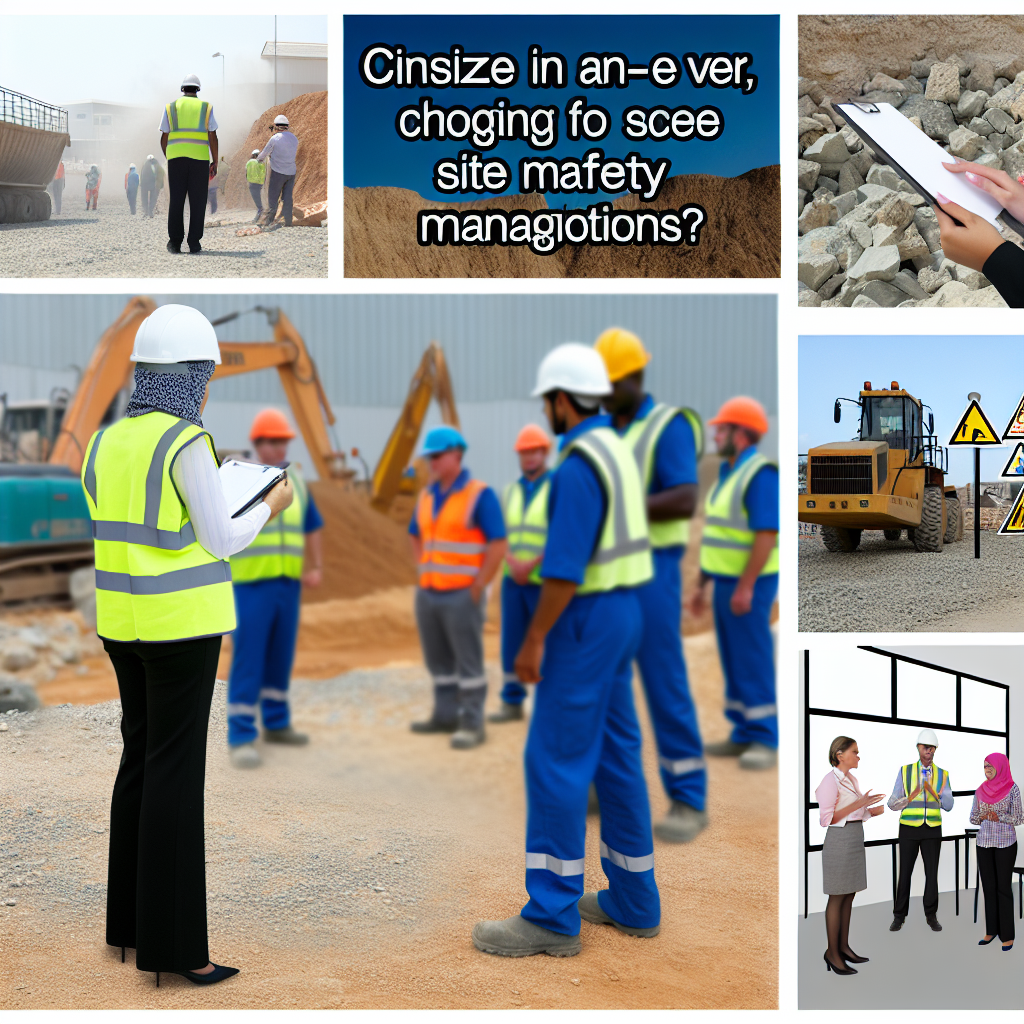
HIAB Site Safety Management
Managing safety on a HIAB site is just like being the careful parent at a playground – constantly vigilant and ready to prevent any potential mishaps. The reality is, whether you’re lifting loads with a HIAB crane or coordinating a team on a bustling construction site, safety cannot be compromised. Let’s delve into some core areas of HIAB site safety management, infused with tips to ensure both you and your team stay on the safe side.
Embrace Clear Communication
Communication on a site working with HIAB cranes is like the oil that keeps the engine running smoothly. How many times have we seen misunderstandings cause unnecessary chaos? It’s key to maintaining harmony and ensuring everything works as it should. Whether it’s about an unexpected change in schedule or a minor technical glitch, a simple briefing or using hand signals can work wonders. The crucial bit is to make sure all team members, old and new, are on the same page. Never underestimate the power of clarity!
Regular Training Sessions
There was this site manager I once knew who rolled out a mandatory monthly training session for all HIAB operators. Initially, there were groans of protest, but over time, incidents reduced significantly. It turns out, practice does make perfect! Regular training not only sharpens skills but also keeps safety protocols fresh in everyone’s minds. From practising proper HIAB crane operating techniques to familiarising oneself with emergency procedures, training is worth its weight in gold.
Harness Personal Protective Equipment (PPE)
If you’ve ever forgotten your hard hat only to feel a sudden gush of wind on the site, you’ll understand why PPE is a lifeline on HIAB sites. Simply put, PPE is your shield against potential hazards. To engage workers more, consider having an engaging session where everyone picks their kit and learns to use it correctly. From safety boots to gloves, each piece has a purpose. And the best bit? It keeps you stylish while ensuring your safety.
Surround Yourself With Competency
An experienced operator can make a world of difference. Have you ever watched a well-trained HIAB operator at work? It’s like poetry in motion. Surrounding yourself with competent personnel means you’re equipped to handle any abrupt surprises the site throws at you. Consider enlisting teams who have both the credentials and the intuition to discern and react to situations swiftly. Remember, being proactive is much better than being reactive.
Site Maintenance and Surveillance
A neatly maintained site is like a tidy kitchen – you know exactly where everything is. Similarly, regular inspections of HIAB vehicles and all site equipment can prevent accidents before they occur. Have a checklist in place so nothing is overlooked. Surveillance, too, plays a crucial role. Positioning cameras strategically can provide a bird’s eye view, alerting you to potential trouble spots or reckless behaviour.
Plan for the Unexpected
You can never predict what’s coming your way – as any good site manager will tell you. Maybe it’s unexpected weather or a temporary power outage. What you can do, though, is have contingency plans in place. It’s like having an umbrella on a cloudy day – better prepared than caught unawares. Regularly conduct drills, encouraging your team to think on their feet, ensuring that they remain unfazed under pressure.
If you’re looking for a trustworthy partner to ensure safety and quality at your site, [HIAB Scotland](https://www.hiabscotland.com/) offers a range of options tailored to your needs.
Cultivate a Culture of Safety
A safety culture means when someone spots potential hazards, they promptly take action. It’s the shared understanding that safety is everyone’s responsibility. Celebrate roles like safety monitors or acknowledge team members who demonstrate excellent safety practices, making it part of your team’s DNA. When everyone acts like the vigilant friend keeping an eye out at a busy intersection, the site blossoms into a safe space.
For more in-depth strategies, the Health and Safety Executive offers a wealth of [resources and updates](https://www.hse.gov.uk/) to keep you and your team informed.
Learning From Experience
I remember a site where a mishap occurred due to misjudged lifting. Instead of brushing it under the carpet, the team held a debrief. It turned out to be an eye-opener. They addressed the issue, refined their protocols, and emerged stronger. In the world of HIAB site management, every experience – be it smooth operations or fumbles – is an opportunity to learn and improve. Encourage open discussions, allowing your team to voice concerns or share insights.
Safety is indeed a journey. The HIAB site safety management embodies practical efforts combined with a proactive mindset. With teamwork, continuous learning, and robust protocols, you pave the way toward safer and more efficient operations. After all, when the site is safe, the work gets done well, and everyone goes home happy and sound.
“`

