

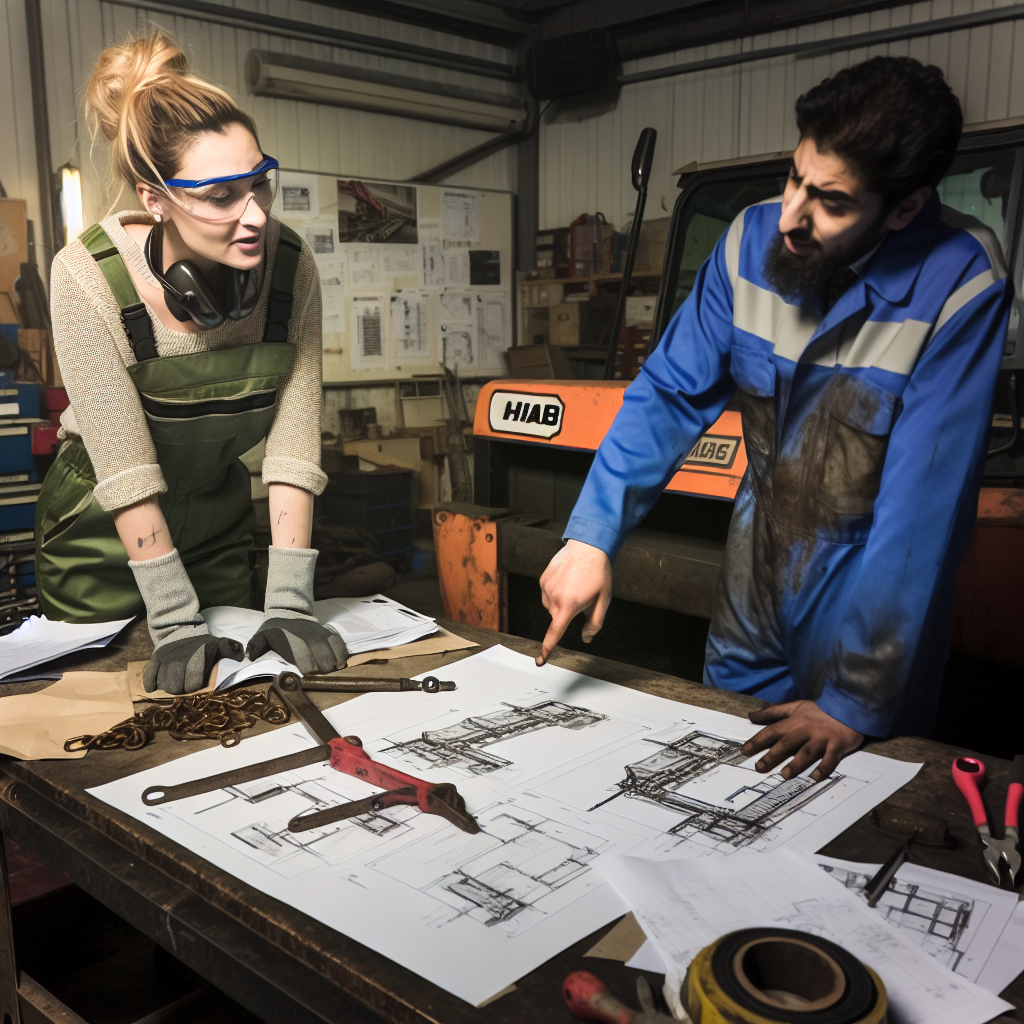
Crafting an Effective HIAB Equipment Maintenance Plan
Understanding the Importance of Regular Maintenance for HIAB Equipment
If you’ve ever found yourself stranded on a road with a broken-down car, then you know how important regular maintenance is. The same principle applies to HIAB equipment. Timely upkeep of your lorry loaders and cranes can make the difference between a seamless workday and costly downtime. HIAB equipment is renowned for its reliability, but like all mechanical devices, it requires regular care and attention to perform at its best.
Setting up a Maintenance Schedule
Having a schedule for maintenance activities can be akin to planning your fitness regime. Just as hitting the gym consistently keeps you fit, sticking to a maintenance schedule keeps your HIAB equipment in peak condition. Ideally, your schedule should align with the manufacturer’s guidelines, considering usage frequency, and work environment.
For instance, a friend of mine, Jake, runs a small construction firm. After a costly breakdown, he realised the importance of setting up a routine maintenance schedule. He decided that every other Monday, his fleet would undergo basic checks. It wasn’t long before Jake noticed fewer hiccups in his day-to-day operations.
Key Components to Focus On
If you’re wondering where to start, concentrate on the vital components. Much like how you’d prioritise checking the tyre pressure and oil levels in your car before a long journey, there are parts of your HIAB equipment that require regular inspection.
- Hydraulic System: A hydraulic system is akin to the heart of HIAB equipment. Leaks, improper fluid levels, or contamination can lead to a complete system failure. Regularly inspect hoses and fluid reservoirs.
- Load Bearing Components: Ensure that the cranes and lorry loaders are not only structurally sound but also properly lubricated.
- Electrical Systems: Check for corroded connectors, frayed wires and ensure batteries are fully charged.
- Safety Systems: Much like wearing a seatbelt in a car, make sure all safety systems are operational. This includes emergency stop buttons, warning lights, and alarms.
Collaboration with Professionals
Recognising when to call in specialists is crucial. While a regular check might be something you can handle, more complex issues should be entrusted to professionals. A great piece of advice I received from a mentor was, “Consult those who live and breathe this work.” It’s always wise to have a relationship with a trusted HIAB service provider who understands your equipment’s intricacies.
Documenting Maintenance Activities
If you’ve ever tried to recall a past doctor’s visit without a record, you know it can be challenging. Keeping detailed logs of all maintenance activities is not just beneficial, it’s essential. Note down dates, the nature of checks performed, parts replaced, and any anomalies discovered. This practice not only ensures consistency but also serves as a reference point for future maintenance.
Utilising Technology in Maintenance
We’ve reached a point where technology plays a pivotal role in almost every industry. HIAB maintenance can similarly benefit from technological advancements. For instance, using a maintenance app to set reminders or log activities can keep you organised. Additionally, digital manuals and videos can guide even the most basic of maintenance tasks, ensuring that you’re not flying blind.
There are several reliable resources available online that can provide valuable insights into maintaining heavy duty equipment. Websites like Construction Equipment offer a treasure trove of information on best practices and latest enhancements in equipment care.
Adapting to Changing Needs
As your business grows, or if you delve into new sectors, your equipment might be subjected to different challenges. Your maintenance plan should therefore be as dynamic as the industry you operate in. Regularly review and adjust your plan to suit these changing needs.
My cousin, Sarah, learned this firsthand. Her company’s services expanded from local transportation to include lifting heavy machinery. She quickly found that her old maintenance schedule was no longer sufficient. By adapting her maintenance plan, she avoided any large scale equipment failures that could have severely impacted her operations.

